Skip to main content
SEARCH
Ok
Top menu
Directory
Publications
Seminars
Library
Log in
GRADUATE SCHOOL AND RESEARCH CENTER IN DIGITAL SCIENCE
Accueil
EURECOM
Teaching
Research
Partnerships
Student life
Menu
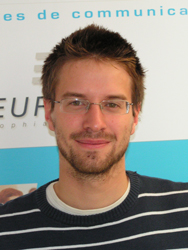
DE KERRET Paul
DE KERRET Paul
print
DE KERRET Paul
Person has left EURECOM
Nom :
DE KERRET Paul
Bottom links
Plan & accès
Outils EURECOM
Mentions Légales
Les publications
Les séminaires
Legal Notice
Accueil
EURECOM
Presentation
Virtual campus tour
Director's remark
International dimension
Ranking and recognition
Presence in Sophia-Antipolis
History
Quality approach
Gender equality
Disabilities management
SGVB Prevention
Contacts
Newsroom
Réseaux sociaux
Brochures
Press releases
News
EURECOM Research Blog
EURECOM on I'MTech Blog
Job opportunities
Job opportunities
EURECOM Appels d'offres
Teaching
Why EURECOM?
Academic Schedule
Admission
How to Apply
Required documents
Eligibility Requirements
English Proficiency
French Proficiency
Application Deadlines
Tuition Fees
Payment Plans
Scholarships
International
Academic partners
Incoming mobility
Outgoing mobility
EURECOM engineering degree
Students in Preparatory Classes
University Students
Cursus 6 - 12 month
Tracks
Free curriculum
Spécial Concours Commun
Tracks
Data Science
Embedded systems
Digital Security
Internet Of Things
Intelligent communication systems
Post Master's degree
Security in Computer Systems and Communications
Master in Computer Science
Digital Security track
Digital Security track _ DD 18 months
Data Science track
Data Science track _ DD 18 months
Master in Networks and Telecommunication
Intelligent Communication Systems track
Intelligent communication systems track_ DD 18 months
Internet of Things (IoT) track
Internet of Things (IoT) track _ DD 18 months
European Double Degree Masters
Master in Autonomous Systems - EIT DIGITAL
Master in Cyber Security - EIT Digital
Master in Emotion Artificial Intelligence - EIT DIGITAL
Master in Security and Cloud Computing (SECCLO) - ERASMUS MUNDUS
Doctoral Program
First job & openings
Courses
Courses selector
Technical courses
Humanities and Social Sciences
FAQ
Research
Results from Research
ERC
3IA Sophia Antipolis
Awards
Publications
Thesis
Scientist Visitors
Development
Start-Ups
Tech Forward incubator
Data Science Department
Directory
Publications
Seminars
Communication System Department
Directory
Publications
Seminars
OpenAirInterface Alliance
Digital Security Department
Directory
Publications
Seminars
Telecom Paris Labs
System on chip
Usages
Research Team
Young Researchers
Partnerships
EURECOM consortium members
Academic members
Industrial members
Members’ news
Collaboration types
Apprenticeship tax
In house training
Internship Proposal
Meet our students
Companies’ Corner
EURECOM industry forum
Student life
Student guide
Registration and Health Insurance
Visa / Resident permit (NON EU)
Housing
Library
Associations
Art activities
Student association
International Junior of EURECOM (IJE)
Sport activities
Classes godfathers
Alumni
Alumni Meeting
Classes photos